Roofing & Roof Replacement in Southern New Hampshire
Trusted local roofing for repairs, replacement, and storm damage — done right and built to last.
Request a Consultation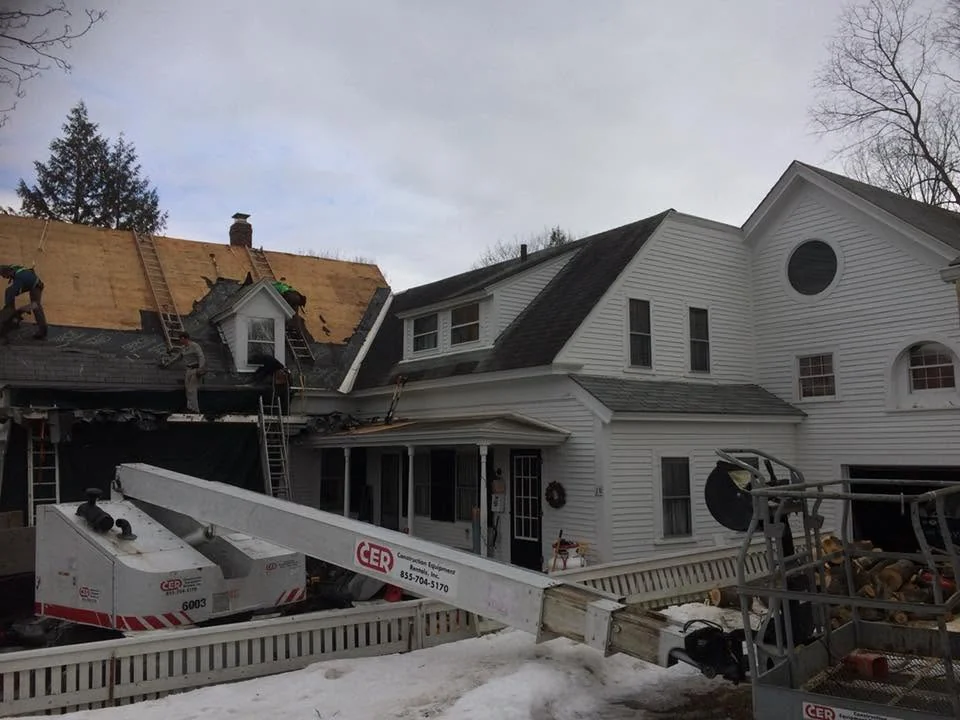
A Roof Done Right the First Time
A roof is only as good as the crew that installs it — and a bad roofing job shows up as leaks, ice dams, and rot a few winters later, long after a fly-by-night crew is gone. Manifest Builders does roofing as part of building and protecting whole homes. We install for the long haul, we're local and accountable, and we're here to stand behind the work years after it's done.
WHAT WE DO
Roofing Work Planned Around Protection, Durability & Exterior Detail
Every roofing project starts with a different concern. Some homeowners are dealing with leaks or storm damage. Others have an aging roof, poor ventilation, damaged flashing, failing shingles, or roof work that needs to connect with siding, trim, decks, additions, or a larger renovation. Manifest Builders helps plan roofing work around long-term protection, clean exterior details, water management, and New England weather.
Image Coming Soon
Roof replacement image placeholder
Roof Replacement
When a roof reaches the end of its useful life, a replacement should do more than improve appearance. It should address shingles, underlayment, flashing, ventilation, decking condition, penetrations, and water management so the entire roof system protects the home properly.
Best For
- Aging shingles
- Widespread wear
- Recurring leaks
- Storm-related damage
- Roof system upgrades
- Long-term home protection
A Roof Is a System, Not Just a Surface
A roof may look simple from the street, but the performance comes from the details underneath and around it. Shingles matter, but so do underlayment, flashing, decking, ventilation, roof penetrations, valleys, drip edge, gutters, and how the roof connects to siding and trim.
Manifest Builders brings broader construction experience to roofing work, helping homeowners think beyond appearance and understand what protects the home long term.
Decking Condition
The roof surface is only as strong as the decking below it. Soft spots, rot, past leaks, or damaged sheathing should be identified and addressed properly.
Underlayment & Water Protection
Underlayment, ice and water protection, drip edges, valleys, and roof edges help protect vulnerable areas from water intrusion.
Flashing Details
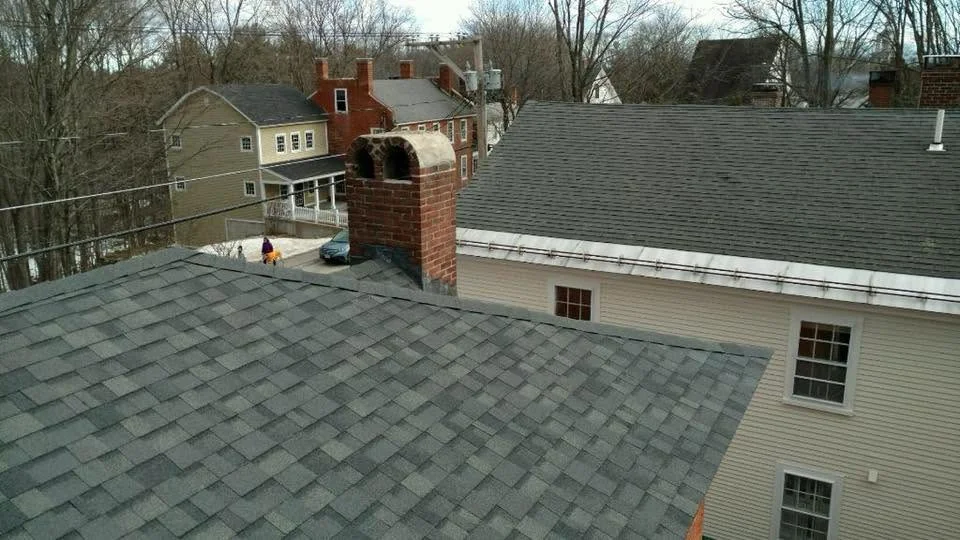
Chimneys, walls, skylights, dormers, vents, and valleys are common leak points. Proper flashing matters as much as the visible roofing material.
Ventilation
Roof ventilation helps manage heat and moisture in the attic, which can affect comfort, roof life, condensation, and ice-dam risk.
Drainage & Gutters
A roof should move water away from the home. Gutters, downspouts, roof pitch, valleys, and grading can all affect exterior water management.
Exterior Connections
Roofing often connects with siding, trim, fascia, soffits, porches, decks, and additions. Those transitions should be planned carefully.
When Your Roof Starts Telling You Something Is Wrong
Some roof issues are obvious. Others show up as small signs that are easy to ignore until they become larger problems. If you are seeing any of these conditions, it may be time to have the roof evaluated.
Missing, Curling or Damaged Shingles
Shingle damage can expose the roof to water, wind, and faster deterioration.
Leaks or Ceiling Stains
Interior stains, dripping, or damp areas may indicate roof, flashing, ventilation, or exterior water issues.
Ice Dams or Winter Roof Problems
Ice dams can point to heat loss, attic ventilation concerns, insulation issues, or vulnerable roof edges.
Moss, Algae or Excessive Wear
Organic growth and visible wear may indicate aging materials, shaded roof areas, moisture, or maintenance concerns.
Damaged Flashing
Leaks often begin around chimneys, vents, skylights, valleys, dormers, and wall connections.
Sagging or Soft Spots
Visible sagging, uneven rooflines, or soft areas may indicate deeper structural or decking concerns that should be reviewed.
Granules in Gutters
Shingle granule loss can be a sign of roof aging or material wear.
Roof Age and Weather Exposure
Even without obvious leaks, an older roof may need evaluation if it has seen years of snow, ice, wind, sun, and seasonal movement.
Roofing Built for Southern NH Weather
Homes in Southern NH face a demanding mix of weather: snow, ice, wind, heavy rain, freeze-thaw cycles, humidity, and strong seasonal temperature changes. Roofing work in this region should be planned with those realities in mind.
Snow & Ice
Roof pitch, roof edges, insulation, ventilation, and ice/water protection all matter in homes that deal with winter snow and ice.
Heavy Rain
Valleys, flashing, gutters, downspouts, roof penetrations, and drainage paths become especially important during heavy rain.
Freeze-Thaw Cycles
Seasonal expansion, contraction, melting, and refreezing can stress roof edges, flashing, gutters, and exterior trim.
Older Homes
Older homes may have past repairs, unusual rooflines, aging decking, limited ventilation, or exterior details that need careful attention.
Additions & Mixed Rooflines
Homes with additions, porches, dormers, garages, and multiple roof planes require careful planning around transitions and drainage.
Long-Term Exterior Protection
A good roof should work with siding, trim, gutters, attic conditions, and exterior water management to protect the entire home.
Should You Repair the Roof or Replace It?
The right answer depends on the age of the roof, extent of damage, leak history, material condition, decking, ventilation, flashing, and long-term plans for the home.
Repair May Make Sense When
- Damage is localized
- The roof is relatively newer
- Shingles are otherwise in good condition
- The leak source is clear
- Flashing or penetrations are the main issue
- You are solving a specific problem area
- The underlying decking appears sound
Replacement May Make Sense When
- The roof is near the end of its life
- Leaks are recurring
- Shingles are curling, brittle, missing, or heavily worn
- Granule loss is widespread
- Multiple areas show damage
- There may be decking or ventilation concerns
- You want longer-term protection before larger exterior work
A Clearer Path From Roofing Concern to Protected Home
A roofing project works best when the roof is evaluated carefully, the scope is clear, and the homeowner understands what is being addressed before work begins.
Initial Conversation
We start by learning what you are seeing: leaks, age, storm damage, missing shingles, ice issues, ventilation concerns, or a larger exterior project.
Roof & Exterior Review
We look at visible roof conditions, rooflines, flashing areas, penetrations, gutters, siding connections, attic-related concerns, and areas where water may be entering.
Repair vs. Replacement
We help clarify whether the issue appears localized or whether a larger roof replacement conversation makes more sense.
Scope, Materials & Details
We organize the roofing scope around shingles, underlayment, flashing, ventilation, decking, valleys, roof edges, and exterior tie-ins.
Schedule & Site Preparation
We plan the work around access, weather, material delivery, property protection, cleanup, and homeowner expectations.
Installation & Final Review
Once work begins, our team focuses on quality installation, clear communication, attention to detail, and leaving the property clean.
Initial Conversation
We start by learning what you are seeing: leaks, age, storm damage, missing shingles, ice issues, ventilation concerns, or a larger exterior project.
Roof & Exterior Review
We look at visible roof conditions, rooflines, flashing areas, penetrations, gutters, siding connections, attic-related concerns, and areas where water may be entering.
Repair vs. Replacement
We help clarify whether the issue appears localized or whether a larger roof replacement conversation makes more sense.
Scope, Materials & Details
We organize the roofing scope around shingles, underlayment, flashing, ventilation, decking, valleys, roof edges, and exterior tie-ins.
Schedule & Site Preparation
We plan the work around access, weather, material delivery, property protection, cleanup, and homeowner expectations.
Installation & Final Review
Once work begins, our team focuses on quality installation, clear communication, attention to detail, and leaving the property clean.
What Influences the Cost and Timeline of a Roofing Project?
Roofing costs and timelines vary because every home has different rooflines, materials, access, weather exposure, damage, and underlying conditions. A simple repair is very different from a full roof replacement with decking repairs, flashing details, ventilation upgrades, and multiple roof planes.
The best way to get realistic direction is to start with a conversation about the roof condition, age, concerns, and goals for the home.
Common Cost Drivers
- Roof size and pitch
- Number of roof planes, valleys, dormers, and penetrations
- Shingle or material selection
- Underlayment and ice/water protection needs
- Flashing complexity
- Decking repair or replacement
- Ventilation improvements
- Chimneys, skylights, walls, and roof tie-ins
- Property access and staging
- Existing damage or hidden conditions
Common Timeline Factors
- Weather conditions
- Material availability
- Roof complexity
- Repair vs. full replacement scope
- Decking or hidden damage discovered during work
- Flashing and detail work
- Site access and cleanup needs
- Coordination with siding, gutters, trim, or exterior projects